Buy Propecia in Online Pharmacy for United States Customers

- Home/
- Buy Propecia in Online Pharmacy for United States Customers
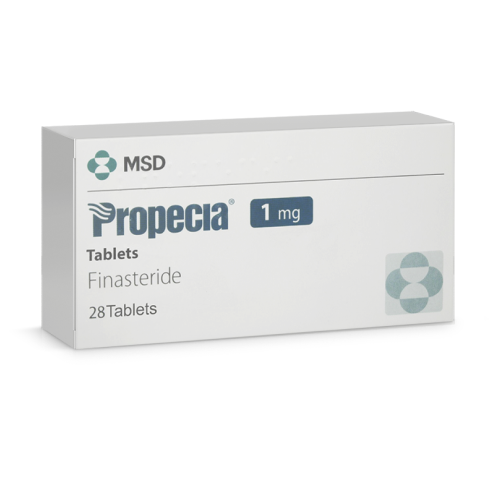
| Name of Medication | Propecia |
|---|---|
| Main Component | Finasteride |
| Category of Use | Male Pattern Hair Loss (Androgenetic Alopecia) |
| Dosage Choices | 1 mg tablet |
| When Benefits Begin | Generally 3 to 6 months of daily use |
| Active Duration | Lasts as long as regular use continues |
| How It Is Taken | Once daily, with or without food |
| Prescription Needs | Required by U.S. law |
| Typical Price Range (U.S.) | About $60–$100 per month (generic), higher for brand |
Propecia: Hair Loss Options in the United States
Propecia is a prescription medication for men dealing with male-pattern baldness, containing the active ingredient finasteride. Used specifically to slow hair loss and stimulate regrowth in hereditary cases, it is available legally in the United States and regulated by the U.S. Food and Drug Administration.
How Common Is Hair Loss, and Are You Alone?
Male pattern baldness is not just a cosmetic concern — it is among the most prevalent health issues faced by men in the U.S. According to the American Academy of Dermatology, as of 2022, over 50 million men in the United States experience some degree of androgenetic alopecia (male-pattern hair loss). This condition can begin as early as the late teens or twenties and often progresses over decades. Knowing this, you can be assured you are far from alone, and that effective treatments have been developed and refined in response to this widespread challenge.
How Propecia Addresses Hair Loss: What Actually Happens
Propecia works by targeting the underlying hormonal mechanism that triggers hereditary hair loss in men. In practical terms, here’s what occurs:
- Finasteride reduces dihydrotestosterone (DHT): DHT is a potent male hormone that causes hair follicles on the scalp to shrink in genetically predisposed men. Propecia blocks the enzyme (5-alpha-reductase) that converts testosterone to DHT.
- Follicle preservation: With lower DHT, hair follicles become less likely to miniaturize, which means they can continue producing thicker, healthier hair instead of thinning or falling out.
- What this means for you: Most men notice a slowing or stopping of further hair loss within 3 to 6 months of daily use, and some experience visible regrowth in areas of recent thinning. If you stop using Propecia, the process reverses and hair loss resumes.
In clinical studies referenced by the FDA, up to 83% of men taking finasteride for a year either maintained or improved hair coverage, compared to fewer than half on placebo (FDA, 2022). Results vary based on age, pattern of loss, and length of use.
Who Should (and Should Not) Use Propecia? Concrete Scenarios
| Your Situation | Is Propecia Right? | Reason |
|---|---|---|
| You are a man aged 18–49 noticing progressive thinning at the crown or hairline, with a family history of similar hair loss | Yes, most likely | Propecia targets the hormonal pathway most active in hereditary male pattern hair loss at these ages. |
| You have already lost most of your hair or have shiny/bald scalp regions for several years | Less likely to benefit | Propecia works best on areas with active but thinning hair. It cannot revive dead follicles or restore hair to long-bald areas. |
| You are experiencing sudden, patchy hair loss, or hair loss associated with illness, medication, or stress (not a family pattern) | No | These types of hair loss have different causes that Propecia does not address. A medical evaluation is necessary to identify correct treatment. |
| You are a woman or a man with known liver problems | No | Propecia is only approved for men and may cause harm in women (especially in pregnancy) and in individuals with certain health issues. |
| You want to prevent further loss but are concerned about side effects | Possibly | Propecia is generally well tolerated, but side effects can occur. Your doctor can help you weigh risks and benefits based on your history. |
Seeing yourself in one of these situations can clarify whether starting Propecia is suited to your goals and health background. If your case is uncertain, a brief consultation with a healthcare provider provides tailored guidance.
How to Use Propecia in Real Life
- Daily routine: Take one 1 mg tablet every day, at the same time, with or without food. Consistency is key — missing doses reduces effectiveness.
- If you forget a dose: Skip the missed dose if it’s close to your next scheduled one. Do not take extra tablets to make up for it. Occasional missed doses are not likely to affect results.
- What to expect: Hair loss may slow within 3 months, but visible regrowth may take up to 6 months. Continued daily use is needed to maintain effects.
- If it doesn’t work: If you see no improvement after 12 months, further use is unlikely to be beneficial — speak with your provider about alternatives.
- Stopping treatment: If you discontinue Propecia, any hair you gained or maintained will likely be lost within 9–12 months.
- Storage and handling: Store at room temperature, away from moisture. Broken or crushed tablets should not be handled by women who are pregnant or may become pregnant due to potential risk.
Most men incorporate Propecia easily into their daily routine, but open communication with a prescriber ensures adjustments can be made for side effects or changing health needs.
Safety: Who Should Avoid Propecia, and Why?
Contraindications: Who Must Not Use Propecia?
- Women (especially those who are or may become pregnant): Propecia can cause birth defects in male fetuses and is strictly prohibited for women during pregnancy, even handling crushed or broken tablets.
- Children and adolescents: Safety and efficacy have not been established in males under 18 years old.
- Known allergy to finasteride or any tablet ingredient: Past allergic reaction to this medication is a reason to avoid it, as repeat exposure can trigger serious reactions.
- Men with significant liver impairment: Finasteride is metabolized by the liver. Pre-existing liver disease can change how the drug is processed, increasing risk.
What Side Effects Might Occur?
Most users tolerate Propecia well, but side effects can occur. Their likelihood and severity vary between individuals.
- Common and often mild:
- Lower libido
- Erectile difficulties
- Decreased semen volume
- Breast tenderness or enlargement
- Rare but serious:
- Allergic reactions (rash, itching, swelling of lips/face, trouble breathing)
- Depression or mood changes
- Persistent sexual side effects after stopping the drug (reported in rare cases, mechanism incompletely understood)
Discuss any persistent or bothersome effects with your healthcare provider. They can help determine if symptoms are related to Propecia or another cause, and whether continued use is appropriate.
Medicine Interactions: What Else Matters?
- Other medications: Propecia has a low risk of interacting with other commonly used drugs. However, always tell your doctor if you’re taking medications for prostate conditions, antifungals, or certain antibiotics — these may require extra monitoring.
- Supplements and over-the-counter products: No major interactions have been documented, but it is best to mention herbal remedies or vitamins at your consultation.
- Blood test changes: Propecia lowers PSA (prostate-specific antigen) levels. If you are being screened for prostate cancer, inform your provider so they can interpret your test correctly.
Clear communication about your full medication list ensures safe and optimal use of Propecia.
Comparing Propecia With Other Hair Loss Treatments
| Treatment | Main Action | Best for | Limitations | Prescription Needed? |
|---|---|---|---|---|
| Propecia (Finasteride) | Blocks DHT production (oral tablet) | Genetic male pattern hair loss, early to moderate stage | Not suitable for women; requires daily use; sexual side effects possible | Yes |
| Minoxidil (Rogaine) | Stimulates follicle growth (topical liquid/foam) | Men and women; mild to moderate thinning | Needs twice-daily application; can cause scalp irritation | No |
| Hair Transplant Surgery | Moves active follicles to bald areas | Men/women with stable donor hair | High cost; surgical risks; does not prevent further loss | Consultation required |
| Natural Supplements | Claims to support hair health | Mild, non-hormonal thinning; those preferring non-pharma options | Lack of proven efficacy; not regulated by FDA for hair loss | No |
Propecia is the best-documented option for hereditary male-pattern hair loss, particularly in early to moderate cases. It’s not a fit for every hair loss type (e.g., sudden or diffuse thinning, female pattern loss). Combining it with minoxidil can benefit some men, but this should be discussed with your provider. If you are considering surgical or non-drug routes, their suitability depends on expectations, cost, and medical history.
Buying Propecia in the United States: What to Expect
Propecia (finasteride 1 mg) is available by prescription only from U.S. pharmacies, including both in-person and reputable online services. U.S. FDA oversight ensures that medications purchased from legal sources are genuine and meet quality standards. When buying online, confirm that the pharmacy is licensed and requires a prescription — this protects you from counterfeit products, which are rare but do exist outside the regulated supply chain.
| Cost Item | Amount | Note |
|---|---|---|
| Physician Consultation (in-person or telemedicine) | $0 – $100 | Many online services include this in the first order; others bill separately. |
| Prescription Fee | Included or up to $20 | Varies by clinic; often included in telehealth platforms. |
| Finasteride 1 mg Tablets (30 count, generic) | $60 – $100/month | Brand-name Propecia is higher, often $150–$200/month. |
| Delivery (standard shipping) | $0 – $15 | Some services provide free shipping; expedited options cost more. |
| Total | $60 – $235/month | Low end: generic + included consultation + free shipping. High end: brand + separate consult + express shipping. |
You will receive a bottle of 30 tablets per month (or as prescribed), shipped to your address if ordered online. U.S. law prohibits the sale of Propecia without a valid prescription, but some telehealth companies streamline the process, offering both doctor consultation and medication delivery in one service. Insurance rarely covers Propecia for hair loss, so most purchases are paid out-of-pocket.
Last Questions: What If You’re Still Unsure?
If you are undecided about starting Propecia, consider how long you’ve noticed hair loss, your comfort with daily medication, and your expectations for regrowth. Some men choose a short-term trial to see how they tolerate the medicine and whether they notice a difference. If your family has a history of prostate problems or you are taking other prescription drugs, consult your physician before beginning treatment. This approach ensures that you address not only cosmetic goals, but also your general health and peace of mind.
Where this information comes from
