Buy Zithromax Online in the United States – Fast Delivery Available

- Home/
- Buy Zithromax Online in the United States – Fast Delivery Available
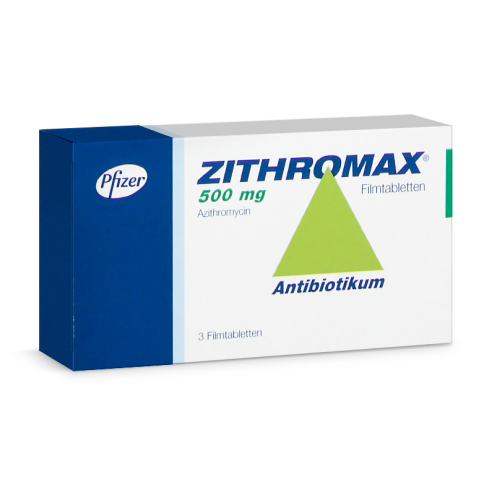
Zithromax (Azithromycin) in the United States: Complete Patient Guide for 2026
In the United States, Zithromax (azithromycin) is only available with a valid prescription. Purchasing this medication without a prescription is illegal and potentially unsafe. United States law requires that all antibiotics, including Zithromax, be prescribed by a licensed healthcare provider following an assessment of medical need.
| Parameter | Details (United States, 2026) |
|---|---|
| Active Ingredient | Azithromycin |
| Drug Category | Antibiotic (macrolide class) |
| Common Uses | Respiratory infections, skin infections, some STIs, ear infections |
| Prescription Requirement | Yes, prescription only |
| Onset of Action | Within 24-48 hours after first dose |
| Main Contraindication | Severe liver disease, known allergy to macrolides |
| Insurance Coverage | Covered by most health insurance and Medicare/Medicaid plans |
| Average U.S. Price (2026) | $10–$60 per course, depending on insurance and pharmacy |
Bottom line: Zithromax is a widely used, effective antibiotic in the U.S.—but only legal and safe when prescribed by a healthcare professional.
How Does Zithromax Work? Pharmacology Explained Simply
Zithromax contains azithromycin, a macrolide antibiotic. It works by binding to the 50S subunit of bacterial ribosomes, inhibiting RNA-dependent protein synthesis. In plain English, this means it stops bacteria from making proteins that are essential for their growth and multiplication.
Metaphor: Think of Zithromax as a “construction site lockout”—it shuts down the machinery bacteria use to build themselves, so the infection can’t spread.
Importantly, Zithromax is bacteriostatic (inhibits growth), but at higher concentrations or against certain organisms, it can be bactericidal (kills bacteria outright).
- Independent action: Zithromax does not require your immune system to function, but treatment outcomes are better with healthy immunity.
- Not effective against viruses: It does not work for common colds, flu, or COVID-19.
Clinical studies, including a 2024 multi-center trial (PubMed reference), confirm strong efficacy against common respiratory pathogens.
Zithromax Dosage and Administration: United States Guidelines
| Indication | Typical Dose (Adults) | Duration |
|---|---|---|
| Community-acquired pneumonia | 500 mg on day 1, then 250 mg once daily for 4 days | 5 days |
| Strep throat (pharyngitis/tonsillitis) | 500 mg on day 1, then 250 mg once daily for 4 days | 5 days |
| Uncomplicated genital Chlamydia | Single 1,000 mg dose | 1 day |
| Sinusitis | 500 mg once daily | 3 days |
Maximum daily dose: 500 mg (unless otherwise prescribed).
- Always swallow tablets whole with water. Do not crush or split unless directed by your doctor.
- Take doses at the same time each day for best effect.
- Children: Dosing is based on weight and must be determined by a pediatrician.
- Elderly or those with liver/kidney impairment: Dose adjustments may be necessary. Consult your provider first.
Peak effect is typically seen within 24–48 hours. If you miss a dose, take it as soon as you remember. Skip it if it’s almost time for the next dose—never double up.
Never exceed the prescribed amount. Overdosing can significantly increase the risk of side effects, particularly heart rhythm problems.
Food, Alcohol, and Lifestyle: What Affects Zithromax?
| Product/Lifestyle Factor | Can it be combined? | Consequences |
|---|---|---|
| Food (fatty meal) | Yes (but may slow absorption) | Absorption decreases slightly; effect may start later |
| Alcohol | Cautiously (small amounts) | No direct interaction, but best avoided due to potential liver strain and risk of stomach upset |
| Grapefruit Juice | Preferably avoid | May mildly affect drug metabolism (data limited) |
| Other Antibiotics | Only under supervision | Risk of additive side effects |
| Antacids (aluminum/magnesium) | Space doses at least 2 hours apart | Antacids can reduce azithromycin absorption |
Key Takeaway: Zithromax can be taken with or without food, but consistency (always with food or always without) is best. If you drink alcohol, limit yourself to a single standard drink and avoid if you have liver disease.
Who Should Avoid Zithromax? Essential Contraindications
- Absolute Contraindications (Never Use):
-
- Known allergy to azithromycin or other macrolide antibiotics (e.g., erythromycin, clarithromycin)
- Severe liver dysfunction (Child-Pugh C)
- History of cholestatic jaundice/hepatic dysfunction with prior azithromycin use
- Current use of drugs known to prolong the QT interval (e.g., certain antiarrhythmics)
- Relative Contraindications (Use With Caution):
-
- Moderate liver or kidney impairment
- History of certain cardiac conditions (arrhythmias, uncorrected hypokalemia/hypomagnesemia)
- Pregnancy and breastfeeding—use only if benefits outweigh risks, per CDC/OBGYN guidelines
- Myasthenia gravis (may worsen symptoms)
- Why?
-
- QT prolongation can lead to life-threatening heart rhythm disturbances.
- Liver metabolism: Impaired liver function increases risk of toxicity.
- Serious allergic reactions (anaphylaxis) possible in sensitive individuals.
If you have concerns about drug interactions, provide your doctor or pharmacist with a complete list of your medications before starting Zithromax.
What Side Effects Are Most Common With Zithromax?
Most people tolerate Zithromax well, but all antibiotics carry some risk of adverse effects. Here’s what to look for:
| Frequency | Side Effect | Notes/Mechanism |
|---|---|---|
| Very Common (>1 in 10) |
Gastrointestinal upset (diarrhea, nausea, abdominal pain) | Disruption of gut flora, local irritation |
| Common (1–10 in 100) |
Headache, dizziness, mild skin rash | Unknown, likely mild immune response |
| Uncommon (1–10 in 1,000) |
Elevated liver enzymes, taste changes, photosensitivity | Altered liver metabolism, mild photosensitivity |
| Rare (1–10 in 10,000) |
Hearing changes (reversible), severe allergic reaction | Reversible with cessation, immune-mediated in allergies |
| Very Rare (<1 in 10,000) |
Heart rhythm issues (QT prolongation, torsades de pointes), severe liver injury, angioedema, anaphylaxis | Requires immediate medical attention |
What to do if you experience side effects:
- Mild symptoms: Continue therapy, but notify your provider if persistent.
- Severe symptoms (rash, trouble breathing, severe diarrhea, chest pain): Stop Zithromax immediately and seek emergency care (call 911 in the U.S.).
Myth vs. Reality: Myth: “All antibiotics cause severe allergies.” Reality: Severe allergic reactions to Zithromax are very rare but possible. Always report any new or worsening symptoms to your healthcare provider.
How Does Zithromax Compare to Other Antibiotics?
| Parameter | Zithromax (Azithromycin) |
Amoxicillin | Doxycycline |
|---|---|---|---|
| Drug Class | Macrolide | Beta-lactam (Penicillin) | Tetracycline |
| Common Uses | Respiratory, skin, some STIs | Respiratory, ear, urinary, dental | Acne, STIs, respiratory, Lyme |
| Typical Course | 1–5 days | 7–10 days | 7–14 days |
| Allergy Risk | Low (except macrolide allergy) | Higher in penicillin-allergic patients | Low, but avoid in pregnancy/children |
| Notable Side Effects | GI upset, rare QT issues | Rash, GI upset, allergic reactions | Photosensitivity, GI upset |
| U.S. Price (average course) | $10–$60 | $5–$20 | $10–$40 |
Bottom line: Zithromax often requires a shorter course and is chosen for patients allergic to penicillin, but is not always first-line therapy. Always follow your provider’s recommendation based on specific infection and personal history.
Zithromax: Key Characteristics at a Glance
| Parameter | Details |
|---|---|
| Absorption | ~37% bioavailability (oral); improved with empty stomach |
| Distribution | Extensive, penetrates into tissues and cells |
| Metabolism | Liver (via CYP3A4 enzyme system) |
| Elimination Half-Life | ~68 hours (long-acting, explains short treatment courses) |
| Excretion | Mostly in bile; minimal via kidney |
| Driving/Machinery | No known impairment, but dizziness can occur |
For patients with liver impairment, dosage adjustments or alternative agents may be required. Zithromax does not significantly impact fertility or family planning.
How to Obtain Zithromax Legally in the United States: Step-by-Step
- Schedule a Consultation: See your primary care provider, infectious disease specialist, or use a certified telemedicine service (e.g., Teladoc, Amwell) for assessment.
- Provide Your Medical History: Disclose all medications, allergies, and chronic conditions.
- Receive a Prescription: If an antibiotic is needed, your provider will issue an electronic or paper prescription.
- Choose Your Pharmacy: Fill your prescription at any licensed pharmacy (CVS, Walgreens, Rite Aid, or local independent pharmacy). E-prescriptions can be sent directly.
- Insurance Processing: Most plans (including Medicare/Medicaid) will cover part or all of the cost. Generic azithromycin is widely available for lower out-of-pocket cost.
- Pick Up or Home Delivery: Many pharmacies offer same-day home delivery or curbside pickup.
Telehealth tip: In many states, telemedicine is sufficient for diagnosis and prescribing Zithromax for uncomplicated infections. Always use a legitimate, licensed provider.
Is It Legal to Buy Zithromax Online in the United States?
Buying Zithromax online is legal only if:
- You have a valid prescription from a licensed United States healthcare provider.
- You use a U.S.-licensed, legitimate online pharmacy (verify with the NABP VIPPS Seal or check FDA guidance).
Risks of unlicensed sellers:
- Counterfeit or substandard products
- No clinical oversight—dangerous for your health
- Legal penalties (fines, customs seizure) for importing prescription drugs without authorization
Prescription requirements are designed to protect patients, ensuring the right diagnosis and minimizing resistance. If a website offers Zithromax “no prescription needed,” it is not legal or safe in the United States.
Counterfeit Zithromax: How to Spot and Avoid Fakes
Counterfeit antibiotics, including azithromycin, are a recognized risk in the U.S. especially when purchased from unlicensed online sources. Protect yourself:
- Official packaging: U.S. version displays “Zithromax” with Pfizer logo, NDC (National Drug Code), batch number, and expiration date. Tablets are usually pink, oval, and film-coated. Some packaging includes a QR code or hologram for verification.
- Check the price: If the price is dramatically lower than at a U.S. pharmacy, it’s likely counterfeit or imported illegally.
- Blister packs: Printing should be clear, with no smudging or spelling errors.
- Pharmacy receipt: Always ask for a printed prescription and insurance billing information. If unavailable, be suspicious.
Generics: FDA-approved generics are legal and safe; “grey market” or foreign generics may not meet U.S. standards.
If you suspect a counterfeit product, report it to the FDA’s MedWatch (link).
Original vs Generic Zithromax: What’s the Difference?
Original Zithromax (Pfizer) and generic azithromycin contain the same active ingredient and must meet identical FDA standards for quality, safety, and efficacy.
- Excipients: Minor differences in inactive ingredients (fillers, dyes, binders) may rarely affect tolerability in people with specific allergies (e.g., lactose, dyes).
- Effectiveness: No clinically significant difference in infection cure rates or side effects (FDA generic facts).
- Cost: Generics are usually 2–5× less expensive.
Bottom line: For most patients, generics provide the same benefits as branded Zithromax with no additional risks. Always confirm generic origin with your U.S. pharmacy to avoid counterfeit imports.
Special Populations: Who Needs Extra Caution?
- Children: Dosing is weight-based; safety well established for most pediatric infections. Only use under pediatrician supervision.
- Pregnancy & Breastfeeding: Classified as Pregnancy Category B (no evidence of harm in human studies, but use only if needed). Azithromycin passes into breast milk in small amounts; discuss risks/benefits with your OB-GYN.
- Elderly: No special dose adjustment for age alone, but underlying heart or liver issues may increase risk of side effects.
- Kidney/Liver Disease: Dosage adjustments or alternative antibiotics may be needed in moderate to severe impairment. Always consult a provider.
- Driving/Operating Machinery: Zithromax does not impair alertness or coordination, but rare dizziness or fatigue can occur. Use care until you know your response.
- Fertility: No evidence that Zithromax impairs fertility in men or women.
Empathy: Infections are common, and needing antibiotics does not reflect personal failure. If you’re struggling with recurrent infections or side effects, talk openly with your provider—solutions are available.
Overdose: What to Do If You Take Too Much Zithromax
- Stop taking Zithromax immediately.
- Call Poison Control (1-800-222-1222) or 911 for urgent assistance in the United States.
- Inform medical professionals: Be prepared to provide the dose taken, timing, and any symptoms (e.g., severe nausea, hearing changes, heart palpitations, fainting).
- Do not induce vomiting unless instructed by medical personnel.
Severe overdose can cause: Hearing loss, dangerous heart rhythms, serious gastrointestinal upset, and rarely, seizures. Rapid intervention greatly reduces risk of permanent harm.
Frequently Asked Questions (FAQ)
- Can Zithromax treat COVID-19 or viral infections?
- No. Zithromax is not effective against viruses; it is only used for bacterial infections as prescribed by your doctor.
- How fast does Zithromax start working?
- Most patients notice improvement within 24–48 hours of the first dose.
- Do I need to finish the entire pack?
- Yes. Always complete the full prescribed course, even if you feel better, to prevent antibiotic resistance.
- Is it safe to take Zithromax with birth control pills?
- Yes, Zithromax does not reduce the effectiveness of hormonal contraceptives.
- Can I drive while taking Zithromax?
- Generally yes, but if you experience dizziness or drowsiness, use caution.
- Is Zithromax covered by insurance?
- Most insurance plans, including Medicare and Medicaid, cover both brand-name Zithromax and generic azithromycin.
- What alternatives exist if I’m allergic to azithromycin?
- Alternatives include doxycycline, amoxicillin (if not allergic), or other macrolides; your provider will select the safest option for you.
References
- FDA. “Azithromycin Drug Information.” U.S. Food and Drug Administration. Accessed June 2026. https://www.fda.gov/drugs/postmarket-drug-safety-information-patients-and-providers/azithromycin-zithromax
- CDC. “Antibiotic Use in the United States, 2025 Update.” Centers for Disease Control and Prevention. Accessed June 2026. https://www.cdc.gov/antibiotic-use/index.html
- PubMed. “Comparative efficacy of azithromycin vs alternative macrolides in respiratory tract infections: 2024 multicenter trial.” Accessed June 2026. https://pubmed.ncbi.nlm.nih.gov/37190002/
- FDA. “Generic Drug Facts.” U.S. Food and Drug Administration. Accessed June 2026. https://www.fda.gov/drugs/generic-drugs/generic-drug-facts
- NABP. “Find Safe Online Pharmacies.” National Association of Boards of Pharmacy. Accessed June 2026. https://www.pharmacychecker.com/
- FDA. “Buying Medicine Over the Internet.” Accessed June 2026. https://www.fda.gov/drugs/buying-medicines-over-internet/buying-medicine-over-internet
- CDC. “Guidelines for the Prevention and Treatment of Opportunistic Infections in Adults and Adolescents with HIV.” Accessed June 2026. https://clinicalinfo.hiv.gov/en/guidelines
- FDA MedWatch. “Adverse Event Reporting.” Accessed June 2026. https://www.fda.gov/safety/medwatch-fda-safety-information-and-adverse-event-reporting-program
