Buy Antabuse in Online Pharmacy – Fast Delivery in United States

- Home/
- Buy Antabuse in Online Pharmacy – Fast Delivery in United States
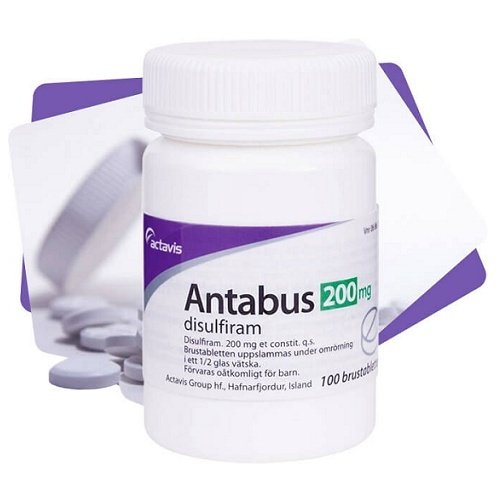
Table of Contents
- Key Facts: Antabuse (Disulfiram) for Alcohol Dependence
- Can Antabuse Be Obtained Without a Prescription in the United States?
- How Does Antabuse Work? Pharmacology Explained
- How to Take Antabuse: Dosage, Timing, and Practical Instructions
- Food, Alcohol, and Lifestyle Interactions With Antabuse
- Who Should Not Take Antabuse? Contraindications and Cautions
- What Side Effects Are Most Common With Antabuse?
- Antabuse vs. Alternatives: Which Alcohol Dependence Medications Are Available?
- Key Characteristics Table: Antabuse (Disulfiram)
- Step-by-Step: How to Obtain Antabuse Legally in the United States
- Is It Legal to Get Antabuse Online? United States Pharmacy Regulations
- How to Spot Counterfeit Antabuse and Understand Generics
- Compatibility Check: Antabuse With Other Medications
- What to Do in Case of Overdose: Immediate Steps
- Special Considerations: Older Adults, Liver Disease, and Driving
- Taking the First Step: Psychological Support Matters
- Frequently Asked Questions (FAQs) About Antabuse
- References
- About the Author
Key Facts: Antabuse (Disulfiram) for Alcohol Dependence
| Parameter | Details (2026, United States) |
|---|---|
| Active Ingredient | Disulfiram |
| Indication | Management of chronic alcohol dependence (Alcohol Use Disorder) |
| Prescription Status | Required (by law, FDA-regulated) |
| Typical Starting Dose | 250 mg once daily, orally (may be adjusted) |
| Main Contraindication | Severe heart disease, recent alcohol intake, psychiatric disorders |
| Major Risk | Serious reaction if alcohol is consumed (even in small amounts) |
| Availability | US-licensed pharmacies, with valid prescription only |
Bottom line: Antabuse is an FDA-approved prescription-only treatment for alcohol dependence in the United States. It should never be taken without a healthcare provider’s supervision due to potentially severe reactions with alcohol.
Can Antabuse Be Obtained Without a Prescription in the United States?
No, obtaining Antabuse (disulfiram) without a prescription is illegal in the United States. Federal law requires a valid prescription from a licensed healthcare provider for every dispensing of Antabuse. Legitimate community and online pharmacies will always ask for your prescription before dispensing the medication.
Myth vs Reality
Myth: You can order Antabuse from an online pharmacy without a prescription.
Reality: In the United States, this is illegal and puts you at risk of counterfeit drugs and legal consequences.
If you encounter a website offering Antabuse without a prescription, it is likely unregulated and potentially dangerous. The U.S. Food and Drug Administration (FDA) regularly warns consumers against buying medications from such sources.
How Does Antabuse Work? Pharmacology Explained
Antabuse (disulfiram) inhibits the enzyme aldehyde dehydrogenase in the liver. Normally, when you drink alcohol, your body metabolizes it first to acetaldehyde (a toxic substance), then quickly transforms acetaldehyde into harmless acetic acid. Disulfiram blocks this second step, causing a rapid build-up of acetaldehyde if alcohol is consumed.
- This leads to unpleasant symptoms like nausea, flushing, palpitations, shortness of breath, headache, and even hypotension—within 10-30 minutes of alcohol ingestion.
- The reaction can be severe and, rarely, life-threatening (especially in high doses or with underlying heart disease).
- Without exposure to alcohol, Antabuse has little direct effect on mood or craving—it provides a strong deterrent by making alcohol consumption physically aversive.
Simplified metaphor: Picture Antabuse as a “lock” on your alcohol metabolism. If you drink, the key (aldehyde dehydrogenase) is jammed—so the “alarm” (acetaldehyde reaction) goes off loud and clear.
Scientific Reference
See: References for up-to-date studies on disulfiram’s mechanism. As of 2024, all clinical guidelines in the United States confirm this pharmacological pathway.
How to Take Antabuse: Dosage, Timing, and Practical Instructions
- Initiation: Begin only after at least 12 hours of abstinence from alcohol (ideally 24 hours), as residual alcohol may cause a dangerous reaction.
- Typical Starting Dose: 250 mg orally once daily (taken in the morning). Some prescribers may start at 500 mg for a short period, then decrease.
- Maximum Dose: 500 mg daily—do not exceed unless explicitly advised by your specialist.
- Adjustment: Doses can be tailored for older adults, those with liver or kidney impairment, or as side effects dictate.
- Tablet Splitting: Most Antabuse tablets can be split or crushed; check manufacturer instructions or ask your pharmacist, as formulation may vary.
- Duration: Maintenance treatment is typically 3–12 months but may be longer, depending on clinical judgment.
- Missed Dose: Take as soon as remembered; if close to the next dose, skip and continue regular schedule. Never double up.
Antabuse does not reduce cravings for alcohol. Its primary role is to create a strong, immediate deterrent effect by making drinking physically uncomfortable. Psychosocial support is crucial in parallel with medication.
- Peak effect: Starts within 12 hours of first dose; full deterrent effect persists up to 2 weeks after stopping due to slow elimination from tissues.
Food, Alcohol, and Lifestyle Interactions With Antabuse
| Product/Food | Interaction | Advice |
|---|---|---|
| Alcohol (any type) | Severe reaction possible with even trace amounts | Strictly avoid all alcohol—including in foods, cough syrups, sauces, mouthwash |
| High-fat meals | Slight delay in absorption | Not clinically significant—may take with or without food |
| Grapefruit juice | No documented interaction | No specific restriction |
| Fermented foods (e.g., kombucha, soy sauce) | May contain alcohol | Check labels; avoid if uncertain |
| OTC medications containing alcohol | Serious reaction risk | Read ingredients; use alcohol-free options |
Key point: Even small amounts of hidden alcohol—such as in sauces, cough medication, or desserts—can trigger a severe reaction. Always ask your pharmacist about ingredients if unsure.
Who Should Not Take Antabuse? Contraindications and Cautions
- Absolute Contraindications (Never Use)
-
- Current intoxication or recent alcohol consumption (within past 12 hours)
- Severe heart disease (coronary artery disease, arrhythmias, heart failure)
- History of psychosis (including schizophrenia)
- Severe liver or kidney disease (cirrhosis, failure)
- Known hypersensitivity to disulfiram or thiuram derivatives
- Pregnancy and breastfeeding (unless specifically directed by a specialist)
- Relative Contraindications (Use With Caution)
-
- Mild to moderate liver disease (requires close monitoring)
- Diabetes mellitus (can affect glucose metabolism)
- Epilepsy or seizure disorder
- Older adults (higher risk of adverse effects)
Explanation: Antabuse can precipitate serious cardiovascular events if alcohol is consumed or in patients with underlying heart disease. Liver and psychiatric complications are also high-risk scenarios. Always disclose your medical history to your prescriber.
What Side Effects Are Most Common With Antabuse?
| Frequency | Side Effects | Explanation |
|---|---|---|
| Very Common (>1 in 10) |
Drowsiness, fatigue, headache, metallic/garlic taste, skin rash | Central nervous system and mild allergic reaction |
| Common (1 in 100 to 1 in 10) |
Acne, mild liver enzyme elevation, nausea/vomiting (in absence of alcohol) | Liver metabolism; GI irritation |
| Rare (1 in 1,000 to 1 in 100) |
Peripheral neuropathy, hepatitis, psychosis, optic neuritis | Direct neuronal or hepatic toxicity |
| Very Rare (<1 in 1,000) |
Severe liver failure, cardiovascular collapse (with alcohol), seizures | Life-threatening reactions; require immediate intervention |
If you experience:
- Jaundice (yellowing of skin/eyes)
- Persistent vomiting, severe abdominal pain
- Confusion or hallucinations
Antabuse vs. Alternatives: Which Alcohol Dependence Medications Are Available?
| Drug | Mechanism | Onset/Duration | Common Side Effects | Prescription Status | Typical Monthly Cost* |
|---|---|---|---|---|---|
| Antabuse (Disulfiram) | Aldehyde dehydrogenase inhibitor (deterrent) | Onset: 12 hrs; lasts up to 2 weeks | Metallic taste, sedation, rash | Prescription | $30–90 |
| Naltrexone (oral or injectable) | Opioid receptor antagonist (reduces craving/pleasure) | Onset: few hours; lasts 24–30 days (injectable) | GI upset, headache, liver enzymes | Prescription | $50–150 |
| Acamprosate | Glutamate modulator (reduces withdrawal symptoms) | Onset: 5–7 days; taken 3x/day | GI upset, insomnia, anxiety | Prescription | $75–200 |
*Cost estimates (2026) based on major US pharmacy chains; may vary by insurance coverage, region, and generic status.
Bottom line: Antabuse is unique for its aversive deterrent effect. Naltrexone and acamprosate act differently and may be preferred for some patients. Choice should be guided by a qualified addiction specialist.
Key Characteristics Table: Antabuse (Disulfiram)
| Parameter | Value |
|---|---|
| Formulation | Tablet (250 mg, 500 mg) |
| Half-life (T1/2) | 60–120 hours (long-lasting tissue effect) |
| Metabolism | Hepatic (liver); excreted in urine and feces |
| Time to Peak Effect | 12–24 hours |
| Maintains deterrent effect after stopping | Up to 14 days |
| Insurance coverage | Generally covered; check with your provider |
| Driving machinery | Use caution—drowsiness possible |
Antabuse’s long half-life means its effects persist well after your last dose. Always inform your doctor about upcoming surgeries or situations where alcohol exposure might be accidental.
Step-by-Step: How to Obtain Antabuse Legally in the United States
- Consult Your Physician or Addiction Specialist
Schedule an appointment with a board-certified addiction medicine physician, psychiatrist, or primary care provider. Many are available in metropolitan areas like New York, Los Angeles, Chicago, and via telehealth nationwide. - Complete a Medical Evaluation
The provider will assess your alcohol use, medical history, liver and heart function, and screen for contraindications. - Obtain a Prescription
If appropriate, your doctor will send an electronic prescription directly to your pharmacy. - Fill Your Prescription at a Licensed U.S. Pharmacy
Choose a local pharmacy or a verified online/mail-order pharmacy. Major chains (CVS, Walgreens, Rite Aid) and most independent pharmacies stock disulfiram. - Schedule Regular Follow-up Visits
Ongoing monitoring is essential. Your provider will check liver tests and overall progress.
Insurance tip: Most health insurance plans cover Antabuse when prescribed for alcohol dependence. Some telemedicine services may offer initial evaluations remotely, provided you have video access.
Is It Legal to Get Antabuse Online? United States Pharmacy Regulations
Yes, it is legal to obtain Antabuse from an online pharmacy, provided that:
- The pharmacy is licensed in the United States.
- You submit a valid prescription from a licensed U.S. healthcare provider.
- The website displays verification by the NABP .Pharmacy program (indicating it meets federal and state safety standards).
Never purchase Antabuse from sites that do not require a prescription, lack contact information, or offer unreasonably low prices. Risks include counterfeit drugs, legal prosecution, and health hazards.
How to Spot Counterfeit Antabuse and Understand Generics
Original Antabuse (by Odyssey Pharmaceuticals or generics):
- Each tablet is white, round, often engraved with “OP 706” (250 mg) or manufacturer code.
- Comes in blister packs or bottles with tamper-evident seals, drug facts insert, lot number, and expiration date.
- Packaging will have FDA-required labeling and a National Drug Code (NDC) number.
- Some manufacturers include a QR code or hologram on the box for verification.
- Unusually low price (well below U.S. pharmacy average)
- Misspelled words, blurry printing, or missing lot/expiration data
- No prescription required to order
- Packaging in foreign languages or lacking FDA/NDC information
What about generics?
FDA-approved generic disulfiram is considered therapeutically equivalent to branded Antabuse. Inactive ingredients (excipients) may differ, so patients with allergies should review labels. Generics are widely used in the United States and are usually less expensive, but should always come from a licensed pharmacy.
Compatibility Check: Antabuse With Other Medications
| Drug/Product | Can it be combined? | Consequences/Comments |
|---|---|---|
| Acetaminophen (Tylenol) | Yes (with caution) | Monitor liver function; avoid excess |
| Warfarin (Coumadin) | Caution | Disulfiram may enhance effect; frequent INR monitoring required |
| Phenytoin | Caution | Levels may rise; risk of toxicity |
| Metronidazole | NO | Disulfiram-like reaction (neurotoxicity); avoid combination |
| Nitroglycerin | NO | Risk of very low blood pressure; life-threatening |
| SSRIs (e.g., sertraline) | Yes | No significant interaction |
| Over-the-counter cold medicines with alcohol | NO | Severe reaction possible; always check labels |
Always inform your healthcare provider and pharmacist about all medications, supplements, and herbal products you use.
What to Do in Case of Overdose: Immediate Steps
- Stop taking Antabuse immediately.
- Call 911 or seek emergency medical assistance in the United States.
- Inform emergency responders about the dose and time of ingestion, and whether alcohol was consumed.
- If possible, bring the medication packaging and any remaining tablets to the hospital.
Symptoms of overdose: Severe drowsiness, confusion, difficulty breathing, seizures, or collapse.
There is no specific antidote; treatment is supportive.
Special Considerations: Older Adults, Liver Disease, and Driving
Elderly patients: May be more sensitive to side effects, including confusion or sedation. Lower starting doses and closer monitoring are usually recommended.
Liver impairment: Antabuse is metabolized in the liver. Patients with mild liver disease should have regular liver function tests; use is contraindicated in severe hepatic impairment.
Driving and operating machinery: Drowsiness, poor coordination, or sudden drop in blood pressure may occur. Avoid hazardous activities until you know how Antabuse affects you.
Fertility and family planning: No clear evidence of harm to fertility in humans with short-term use. Use in pregnancy or nursing is not recommended unless the benefit outweighs risk, as determined by your clinician.
Taking the First Step: Psychological Support Matters
Alcohol dependence is a chronic, complex condition that affects millions of Americans. You are not alone. Many people struggle, and seeking help is a sign of strength—not weakness.
Medications like Antabuse are most effective when combined with counseling, support groups (such as Alcoholics Anonymous), or behavioral therapy. Consider involving your family or close friends in your recovery plan. Professional psychological support can make a real difference.
Frequently Asked Questions (FAQs) About Antabuse
- Can I take Antabuse daily?
- Yes, Antabuse is intended for daily use as prescribed. Do not stop or change your dose without consulting your doctor.
- How soon after my last drink can I start Antabuse?
- You should wait at least 12 hours (ideally 24 hours) after your last alcoholic drink to avoid severe reactions.
- Does insurance cover Antabuse in the United States?
- Most commercial insurance plans and Medicaid cover Antabuse or its generic equivalent. Check with your insurer for copay details.
- What happens if I drink alcohol while on Antabuse?
- You may experience an intense and potentially dangerous reaction: flushing, nausea, vomiting, rapid heart rate, and low blood pressure. Emergency care may be required.
- Can Antabuse cure alcoholism?
- No. Antabuse does not cure alcohol dependence but helps you avoid drinking by creating a deterrent effect. Psychological support is key for lasting recovery.
- What if I miss a dose of Antabuse?
- Take it as soon as you remember. If it’s almost time for your next dose, skip the missed one—never double up.
- Are there over-the-counter alternatives to Antabuse?
- No FDA-approved OTC medications exist for alcohol dependence. All effective therapies require a prescription and medical supervision.
- Can I use Antabuse with antidepressants?
- Generally yes, but always inform your doctor about all medications to check for specific interactions.
References
- Substance Abuse and Mental Health Services Administration (SAMHSA). “Medications for Alcohol Use Disorder.” Accessed June 2026. https://www.samhsa.gov/medication-assisted-treatment/medications-counseling-related-conditions/alcohol-use-disorder
- United States Food and Drug Administration (FDA). “Disulfiram (Antabuse) Drug Label.” Accessed June 2026. https://www.accessdata.fda.gov/drugsatfda_docs/label/Antabuse_Label.pdf
- Jonas DE, Amick HR, Feltner C, et al. “Pharmacotherapy for Adults With Alcohol Use Disorders in Outpatient Settings: A Systematic Review and Meta-analysis.” JAMA. 2014; 311(18):1889–1900. https://jamanetwork.com/journals/jama/fullarticle/1863963
- National Institute on Alcohol Abuse and Alcoholism (NIAAA). “Alcohol Use Disorder: A Comparison Between Antabuse, Naltrexone, and Acamprosate.” Updated 2025. https://www.niaaa.nih.gov/alcohols-effects-health/treatment-recovery/medications-alcohol-use-disorder
- American Society of Addiction Medicine (ASAM). “National Practice Guideline for the Treatment of Alcohol Use Disorder.” 2024 Revision. https://www.asam.org/quality-care/clinical-guidelines/alcohol-use-disorder
- Chick J, Brewer C, Torrest J. “Disulfiram treatment of alcoholism.” British Journal of Psychiatry, 2024; 225(3): 324-332. https://pubmed.ncbi.nlm.nih.gov/36948347/
