Buy Glucophage Without Prescription Online in the United States

- Home/
- Buy Glucophage Without Prescription Online in the United States
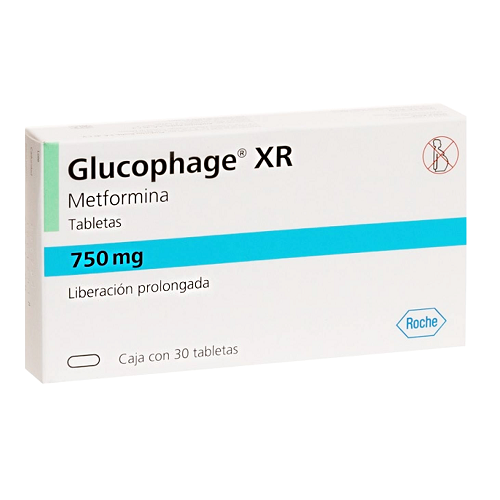
Why Glucophage Is Often the First Diabetes Prescription in the United States
Not every diabetes medication earns a place as a default starting point. Glucophage—known generically as metformin—did. Most patients newly diagnosed with Type 2 Diabetes in the United States will hear about it at their very first diabetes appointment. The American Diabetes Association and leading clinical societies converge on one point: if you do not have specific reasons you cannot take metformin, it’s the drug your doctor is most likely to prescribe first (American Diabetes Association).
This isn’t about habit or cost alone (though Glucophage is less expensive than many competitors). It’s about a decades-long safety record, substantial evidence for real-world effectiveness, and—perhaps most importantly—how metformin fits into the American model of diabetes care. For many patients, starting Glucophage marks a turning point: it’s the moment diabetes goes from something abstract on a lab result to a daily reality.
“Patients often ask, ‘Is this the medication everyone takes?’ Not everyone—but close. Glucophage is what we reach for first unless there’s a strong reason not to. It’s the benchmark against which we measure other therapies.”
—Endocrinologist, reviewing physician
Here’s where Glucophage stands apart: no other oral diabetes medication has as compelling a blend of safety, cost-effectiveness, and cardiovascular neutrality for the average patient. Some newer drugs provide additional benefits—like weight loss or heart protection—but their side effects, price, and insurance hurdles can make them impractical as a first choice.
What Real Patients Experience the First Month on Glucophage
The first few weeks with Glucophage are when reality hits. Most patients are surprised—sometimes relieved, sometimes frustrated—by what actually happens after their first dose. Some expect to feel dramatically different right away; others brace for dreaded side effects, especially after reading online forums.
- Many people notice nothing at first—blood sugar changes can be subtle, and symptoms of high blood sugar often take time to improve.
- About one in three will have some stomach upset: nausea, loose stools, or mild cramps. For most, these symptoms fade within days to weeks, especially if the dose is started low and increased gradually.
- A rare few experience more intense digestive issues, sometimes leading to early discontinuation.
- Weight doesn’t change much in the first month, but a slow, modest decrease can begin—especially with dietary changes.
- Energy levels tend to improve as glucose stabilizes, though this is gradual, not immediate.
What surprises most patients isn’t just how their body feels, but how their daily routine shifts. Many adapt their meal timing or portion sizes to minimize symptoms. Some describe a new awareness of what their body is telling them—subtle cues that their diabetes, and its treatment, have become a lived experience.
Glucophage Versus Other Type 2 Diabetes Medications: The Differences That Matter
Choosing a medication for Type 2 Diabetes isn’t just about lowering blood sugar. Patients and doctors weigh trade-offs: effectiveness, side effects, cost, pill burden, and long-term benefits. Here is how Glucophage (metformin) compares to two common alternatives in the United States: a sulfonylurea (glipizide) and a newer GLP-1 agonist (semaglutide).
| Attribute | Glucophage (Metformin) | Glipizide (Sulfonylurea) | Semaglutide (GLP-1 Agonist) |
|---|---|---|---|
| Mechanism | Reduces liver glucose output; improves insulin sensitivity | Stimulates pancreas to release more insulin | Increases insulin secretion; slows stomach emptying; reduces appetite |
| Blood Sugar Impact (A1C reduction) | ~1-1.5% | ~1-1.5% | ~1-1.5% (higher at max dose) |
| Weight Change | Stable or slight loss | Weight gain common | Weight loss (significant for many) |
| Risk of Low Blood Sugar (Hypoglycemia) | Rare | Common, especially with missed meals | Rare |
| Common Side Effects | Digestive upset, metallic taste | Low blood sugar, weight gain | Nausea, vomiting, GI symptoms |
| Long-term Heart Benefit | Neutral or modest benefit | No established benefit | Proven benefit in high-risk patients |
| Prescription Status (US) | Prescription only | Prescription only | Prescription only |
| Typical Monthly Cost (US, uninsured) | $5–$20 (generic) | $10–$30 | $800–$1,200 (brand only) |
| Insurance Coverage | Almost always covered | Usually covered | Often restricted, prior authorization |
| Monitoring Needs | Annual labs (kidney, B12), glucose checks | Glucose self-monitoring, labs | Labs, glucose checks, injection technique |
The bottom line: Glucophage stands out for its low cost, minimal risk of hypoglycemia, and a metabolic approach that does not force the pancreas to work harder. It will not cause weight gain and is almost always covered by insurance, including Medicare and Medicaid (Medicare.gov). Newer drugs offer weight loss and cardiovascular benefits, but their cost and insurance restrictions make them a second-line option for most patients in the US.
How Glucophage Works in Your Body—And Why That Matters for Your Results
Glucophage does not “add” insulin or replace something missing. Instead, its active ingredient, metformin, changes how your body processes sugar at a cellular level. The liver gets the main message: slow down on making new glucose. Muscles respond with improved sensitivity to insulin. The result? Less sugar circulating in your bloodstream, with a lower risk of dangerous spikes and crashes.
- Insulin Sensitivity
- How well your body’s cells respond to insulin (the hormone that moves sugar from your blood into your tissues). Higher sensitivity means less insulin is needed for the same effect—a key target in Type 2 Diabetes treatment.
Unlike some diabetes drugs, Glucophage doesn’t depend on your pancreas to keep working. That’s one reason it works for so many years, even as diabetes progresses. And why it does not produce hypoglycemia unless combined with other medications that do.
What you feel (or don’t feel) comes from these shifts. Many patients notice steadier energy, fewer “sugar crash” episodes, and—after a few months—a subtle improvement in weight and appetite control. These effects are gradual, not dramatic. Your numbers on paper change before you feel different in your body.
Turning Glucophage Into a Daily Routine: What Patients Get Right (and Wrong)
The way you take Glucophage shapes your experience more than most people realize. From timing with meals to how quickly your doctor increases the dose, the details make a difference. Many patients—especially those new to diabetes medications—set themselves up for a rough start without meaning to.
The most common mistake? Taking the full prescribed dose on day one. The standard clinical approach in the US is to “start low and go slow”—but rushed pharmacy counseling, misunderstandings, or eagerness to get results can lead patients to take too much too soon.
- Start with the lowest effective dose (usually 500 mg once daily).
- Take Glucophage with a meal—never on an empty stomach.
- Increase the dose only as instructed by your healthcare provider, typically at weekly intervals.
- If stomach upset occurs, pause dose increases or go back to the previous well-tolerated dose.
- Report persistent side effects—especially nausea, vomiting, or diarrhea that lasts more than a week.
Which Side Effects Matter Most with Glucophage—and When to Act
No medication is free from side effects. Glucophage’s reputation for safety is well-deserved, but that doesn’t mean problems are impossible—or that every patient’s risk looks the same. The most common side effects are digestive: nausea, stomach cramps, loose stools. For most patients, these are mild and fade as the body adjusts. Rarely, side effects can signal something more serious.
Many patients worry about long-term risks such as vitamin B12 deficiency or the (rare) risk of kidney complications. While these are legitimate, they do not happen to most users, especially with proper monitoring. Your healthcare provider will check your kidney function and B12 level at least yearly.
| Side Effect | How Often? | When to Contact a Doctor |
|---|---|---|
| Nausea, stomach upset | Common (20–30%) | If severe, persistent, or prevents you from eating/drinking |
| Loose stools/diarrhea | Common (10–20%) | If severe, watery, bloody, or lasts more than several days |
| Metallic taste | Uncommon (5–10%) | If it causes decreased appetite or significant discomfort |
| Lactic acidosis (serious) | Very rare (<0.1%) | Immediately if you have muscle pain, weakness, trouble breathing, or severe fatigue |
| Vitamin B12 deficiency | Rare (1–5% over years) | If you develop unexplained fatigue, numbness, or memory changes |
Most side effects improve with dose adjustment or switching to an extended-release (ER) form of Glucophage. The risk of dangerous reactions is low—but when they do occur, quick action matters. Trust your symptoms, not just your numbers.
Who Should Avoid Glucophage: Absolute and Relative Contraindications
- Have severe kidney disease (eGFR <30 mL/min/1.73m2), as confirmed by recent lab tests.
- Are experiencing acute or worsening heart failure requiring hospitalization.
- Have a known allergy to metformin or any Glucophage component.
- Are in the middle of severe infection, shock, or dehydration—these can increase lactic acidosis risk.
- Are about to undergo imaging with iodinated contrast (your doctor will advise when to pause Glucophage).
- Mild to moderate kidney impairment: Glucophage may be used at adjusted doses with close monitoring.
- Liver disease, alcohol abuse, or frequent binge drinking: higher risk of rare side effects, so extra caution needed.
- Elderly patients and those with multiple medical conditions may require lower starting doses and more frequent monitoring.
Every contraindication carries its own clinical nuance. For example, most patients can safely resume Glucophage after a brief pause for contrast imaging, but only once kidney function stabilizes. If you have any of the conditions above—or your doctor has raised a concern about your kidney, liver, or heart function—discuss alternative medications or strategies.
Accessing Glucophage in the United States: Prescription Rules, Cost, and Insurance Realities
Glucophage is a prescription medication in the United States. You cannot purchase it legally without a valid prescription from a licensed healthcare provider. This includes all forms—immediate-release, extended-release, and combinations with other diabetes agents. Over-the-counter or online “no-script” offers should be avoided; these are not legal and may be unsafe (FDA).
- Most insurance plans—including Medicare and Medicaid—cover generic metformin (Glucophage) with minimal copays.
- Brand-name Glucophage is rarely necessary; generics are equally effective and far less expensive.
- Pharmacy chains, independent pharmacies, and major grocery stores throughout the US stock metformin in all standard dosages.
- Prescription savings programs and discount cards can lower out-of-pocket cost for uninsured patients to as little as $4–$10/month.
- Mail-order pharmacies offer convenience, but always confirm source and licensure.
Some patients encounter hurdles: prior authorization for high-dose extended-release forms, or insurance requiring a switch to a preferred generic version. Pharmacies are required to substitute generics unless your doctor specifies otherwise. If cost remains a barrier, ask your provider or pharmacist about patient assistance programs or prescription discount options.
Frequently Asked Questions: Glucophage & Type 2 Diabetes in the US
- How long does it take for Glucophage to lower my blood sugar?
- Most patients start to see blood sugar improvement within 1–2 weeks of starting Glucophage, but it may take up to three months for the full effect. The changes are gradual, and your A1C (a three-month average) is the best measure of long-term progress.
- Can I drink alcohol while taking Glucophage?
- Light to moderate alcohol use is usually safe for most people on Glucophage. However, heavy drinking or binge episodes increase the risk of a rare but dangerous side effect called lactic acidosis. Always discuss your drinking habits with your doctor.
- Do I need to check my blood sugar at home if I’m only on Glucophage?
- Routine home blood sugar checks are less essential if Glucophage is your only diabetes medication and your readings are stable. Many US clinicians recommend periodic spot checks, especially when first starting treatment or if you feel unwell.
- Is Glucophage safe during pregnancy or breastfeeding?
- Metformin is sometimes used in pregnancy (particularly for gestational diabetes or PCOS), but not all doctors recommend it as first-line. If you are pregnant or planning to become pregnant, discuss your options and risks in detail with your physician.
- What should I do if I miss a dose?
- Take the missed dose as soon as you remember, unless it’s almost time for your next scheduled dose. Do not double up. Missing occasional doses is common and rarely dangerous, but frequent missed doses can affect your diabetes control.
- Will Glucophage interact with my other medications?
- Glucophage can interact with some drugs—especially those affecting kidney function or taken around the time of contrast imaging. Always inform your physician about all prescription and over-the-counter medications, as well as vitamins and supplements.
- When should I call my doctor about side effects?
- Contact your doctor if you have severe or persistent nausea, vomiting, diarrhea, muscle pain, extreme fatigue, trouble breathing, or any symptoms that feel out of proportion to what you expected. Quick communication can often prevent minor issues from becoming major ones.
- Can I stop Glucophage if my blood sugar goes back to normal?
- Never stop Glucophage without discussing it with your healthcare provider. While some patients can reduce or discontinue it with significant weight loss or lifestyle changes, most require ongoing treatment to maintain blood sugar control.
Sources & References
- U.S. Food and Drug Administration (FDA)
- Glucophage (metformin) Prescribing Information, Bristol-Myers Squibb
- American Diabetes Association
- Centers for Disease Control and Prevention: Diabetes
- Mayo Clinic
- ClinicalTrials.gov
- Medicare.gov
- Standards of Medical Care in Diabetes—2024, American Diabetes Association
