Buy Rybelsus at Low Price in the United States Online

- Home/
- Buy Rybelsus at Low Price in the United States Online
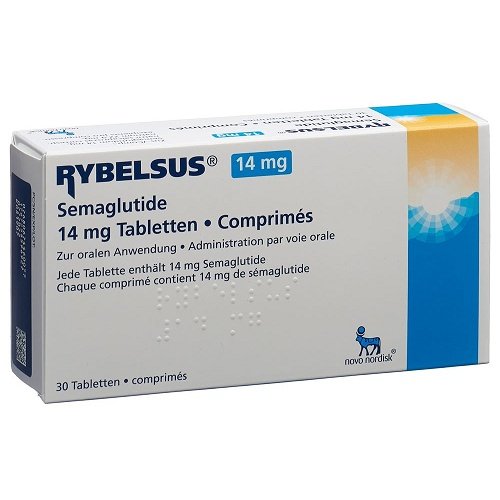
Rybelsus (Semaglutide) for Type 2 Diabetes in the United States: The Complete Clinical Guide
Can you obtain Rybelsus without a prescription in the United States?
No, Rybelsus (semaglutide) is a prescription-only medication in the United States. Purchasing, possessing, or using Rybelsus without a valid prescription from a licensed healthcare provider is illegal and unsafe. Only registered pharmacies are allowed to dispense Rybelsus to patients with a valid prescription.
Key Facts About Rybelsus (Semaglutide)
- Active Ingredient: Semaglutide (oral tablet)
- Indication: Type 2 diabetes mellitus, as an adjunct to diet and exercise
- Prescription Status (2026): Requires a prescription from a licensed healthcare provider
- FDA Approval: Yes, since 2019 (FDA)
- Price Range (2026): Approx. $900–$1100 per 30-tablet pack (subject to insurance coverage; see competitor table below)
- Onset of Action: Significant blood sugar reduction typically begins within 1–2 weeks, with full effect at 8–12 weeks
- Common Side Effects: Nausea, diarrhea, stomach pain, decreased appetite
- Main Contraindication: Personal/family history of medullary thyroid carcinoma, history of multiple endocrine neoplasia syndrome type 2
How does Rybelsus work in the body? (Pharmacological Mechanism Explained)
Rybelsus contains semaglutide, a GLP-1 (glucagon-like peptide-1) receptor agonist. It acts by mimicking the action of natural GLP-1, an incretin hormone released from the gut after eating. Semaglutide binds to GLP-1 receptors on pancreatic beta cells, stimulating insulin secretion in a glucose-dependent manner, which helps lower blood sugar levels when they’re elevated after meals.
At the same time, Rybelsus suppresses glucagon secretion (which normally raises blood glucose), slows gastric emptying (so food leaves the stomach more gradually), and promotes a feeling of fullness. Collectively, these actions reduce high blood sugar and may support modest weight loss in patients with type 2 diabetes.
Pharmacokinetics: Semaglutide, when taken as Rybelsus, is absorbed mainly in the stomach. Its half-life is approximately 7 days, allowing for once-daily dosing. The drug is metabolized primarily through proteolytic cleavage and beta-oxidation, with excretion via urine and feces (FDA).
Metaphor: Imagine Rybelsus as a “smart thermostat” for your blood sugar: it only turns on the “cooling” (insulin release) when the room (blood) gets too hot (high sugar) and won’t act when it’s not needed, thus reducing the risk of low blood sugar (hypoglycemia).
Does Rybelsus need a trigger or condition to work? Yes, it works best when blood sugar is elevated after a meal; it does not cause insulin release at low glucose levels, which helps prevent hypoglycemia.
Myth: Rybelsus works instantly for everyone.
Reality: It may take several weeks to achieve full blood sugar-lowering effects, and effectiveness depends on diet, adherence, and individual metabolic response.
Expert Commentary from doctor
In my practice, I’ve observed that Rybelsus appeals to patients who are reluctant to use injectable medications. However, because it’s an oral GLP-1 agonist, it’s essential to emphasize proper timing and administration (empty stomach, with a small amount of water, waiting at least 30 minutes before eating). Many patients don’t realize that even small deviations can reduce efficacy. I’ve also seen that some patients expect immediate improvements in blood sugar, but in reality, it can take several weeks for the full benefits to appear. Setting realistic expectations and reinforcing consistent use are crucial for success. Finally, Rybelsus does not replace the need for a healthy lifestyle—patients who pair it with dietary changes and increased physical activity see the best results.
How should Rybelsus be taken? Dosage and Instructions
Initial Dose: Most adults with type 2 diabetes start with 3 mg orally once daily for 30 days. After 30 days, the dose is typically increased to 7 mg once daily. If further glycemic control is needed, the dose may be increased to a maximum of 14 mg once daily based on physician advice.
Administration Instructions:
- Take Rybelsus first thing in the morning, on an empty stomach, with no more than 4 ounces (120 mL) of water.
- Wait at least 30 minutes before eating, drinking (other than water), or taking other oral medications.
- Swallow tablets whole; do not split, crush, or chew.
Peak effect occurs after several weeks of consistent use. Missed doses should be skipped if more than 12 hours have passed; do not double up.
Maximum daily dose must not exceed 14 mg.
Special populations: No dose adjustment is required for older adults, mild to moderate renal or hepatic impairment. Not approved for use in children (<18 years).
Food, Alcohol, and Lifestyle: What affects Rybelsus absorption?
- Fatty Meals
- Taking Rybelsus with food or beverages (other than plain water) significantly decreases absorption and effectiveness.
- Alcohol
- Moderate alcohol consumption is not strictly contraindicated but may increase the risk of low blood sugar, especially if combined with other diabetes medications. Chronic heavy drinking is discouraged due to added liver and pancreas risks.
- Grapefruit Juice
- No clinically significant interaction with grapefruit juice has been identified, but best practice is to avoid until further data is published.
- Smoking
- No direct interaction; however, smoking increases cardiovascular risk, which is already elevated in type 2 diabetes.
Key Tip: Always take Rybelsus on an empty stomach with minimal water, and wait at least 30 minutes before any food or drink for optimal effect.
Who should never use Rybelsus? Absolute and Relative Contraindications
| Type | Condition | Explanation |
|---|---|---|
| Absolute | Personal or family history of medullary thyroid carcinoma (MTC) | Increased risk of C-cell tumors; based on rodent studies and human case reports (FDA). |
| Absolute | History of Multiple Endocrine Neoplasia Syndrome type 2 (MEN2) | Same as above. |
| Absolute | Pregnancy or breastfeeding | Not recommended; safety not established. Discontinue at least 2 months before conception. |
| Relative | Diabetic ketoacidosis (DKA) | Ineffective for DKA; insulin required. |
| Relative | Pancreatitis (current or history) | Risk of recurrence or worsening. |
| Relative | Severe gastrointestinal disease (gastroparesis, inflammatory bowel disease) | May worsen GI symptoms. |
| Relative | Severe renal impairment (eGFR < 15 mL/min/1.73 m²) | Use with caution; limited data. |
| Relative | Known hypersensitivity to semaglutide or excipients | Risk of allergic reaction. |
After a heart attack or major cardiovascular event: Discuss with your doctor before starting Rybelsus. Clinical judgment is required.
What side effects are most common with Rybelsus?
| Frequency | Side Effect | Mechanism/Comment |
|---|---|---|
| Very common (>1 in 10) | Nausea, diarrhea | Due to delayed gastric emptying and central satiety effects |
| Common (1 in 10–100) | Vomiting, abdominal pain, decreased appetite, constipation | GI motility effects |
| Common | Dyspepsia, fatigue | Appetite regulation, slowed digestion |
| Rare (<1 in 1000) | Pancreatitis, acute kidney injury, severe allergic reaction | Possibly immune or idiosyncratic |
| Very rare (<1 in 10,000) | Vision changes (diabetic retinopathy complications), thyroid C-cell tumors (theoretical) | Mechanism unclear; monitor for symptoms |
If you experience severe or persistent vomiting, abdominal pain, signs of low blood sugar (sweating, confusion), or allergic reactions (swelling, rash, breathing difficulty), stop the medication and seek immediate medical attention.
Common Patient Mistakes Observed by doctor
- Taking Rybelsus with food, coffee, or juice: This reduces absorption significantly and leads to suboptimal blood sugar control. Solution: Always take with a small amount of plain water, on an empty stomach, and wait at least 30 minutes before any other intake.
- Missing doses frequently then doubling up: Doubling the dose to “catch up” increases side effect risks. Solution: If you forget, skip and resume as scheduled. Don’t take extra tablets.
- Expecting weight loss or blood sugar improvement overnight: Frustration leads to early discontinuation. Solution: Results build gradually over weeks; maintain realistic expectations.
- Not reporting gastrointestinal symptoms: Some patients silently tolerate severe nausea or vomiting, risking dehydration. Solution: Inform your provider about persistent side effects—dose adjustments or anti-nausea medications can help.
- Stopping Rybelsus abruptly after glucose normalizes: Diabetes is a chronic disease. Solution: Continue under medical supervision, even if your blood sugar improves.
- Purchasing Rybelsus from unverified online sources: High risk of counterfeits. Solution: Only use licensed US pharmacies with a valid prescription.
How does Rybelsus compare to other diabetes medications?
| Medication | Class | Onset Speed | Duration | Side Effects | Price (30-day supply, USD) | Formulation |
|---|---|---|---|---|---|---|
| Rybelsus (Semaglutide) | Oral GLP-1 agonist | 1–2 weeks | 24 hours (once daily), steady state in 4–5 weeks | Nausea, GI upset, rare pancreatitis | $900–$1100 | Tablet |
| Ozempic (Semaglutide) | Injectable GLP-1 agonist | 1 week | 1 week (weekly injection) | Nausea, GI upset, rare pancreatitis | $900–$1100 | Injection |
| Jardiance (Empagliflozin) | SGLT2 inhibitor | Days | 24 hours | UTI, yeast infection, dehydration | $540–$620 | Tablet |
| Metformin (generic) | Biguanide | Within days | 12 hours | GI upset, B12 deficiency (long term) | $5–$15 | Tablet |
Bottom line: Rybelsus is unique as the only oral GLP-1 agonist available in the U.S. as of 2026. It is typically more expensive than older drugs but may be preferable for patients who prefer tablets over injections. Metformin remains the first-line agent due to cost and side effect profile; Rybelsus is often used when metformin is insufficient or not tolerated.
Questions Frequently Asked to doctor
- Is it safe to take Rybelsus with my other diabetes medications?
- Usually, Rybelsus can be combined with other oral agents, such as metformin or SGLT2 inhibitors, but your provider must adjust regimens to avoid hypoglycemia, especially if you use insulin or sulfonylureas.
- What should I do if I forget to take Rybelsus one morning?
- If it’s been less than 12 hours, take it as soon as you remember. Otherwise, skip the missed dose—never double up the next day.
- Can I drink alcohol while on Rybelsus?
- Occasional light drinking is not strictly contraindicated, but heavy use increases the risk of pancreatitis and blood sugar swings. If in doubt, discuss your habits with your doctor.
- How long can I safely use Rybelsus?
- There is no known maximum duration; long-term use has been studied for several years. Your doctor should monitor your response, side effects, and laboratory results regularly.
- Will Rybelsus help me lose weight?
- Some patients lose modest weight while using Rybelsus, but it’s not primarily a weight-loss drug. Don’t expect dramatic changes unless combined with dietary changes and exercise.
- Is it possible to use Rybelsus if I have kidney or liver problems?
- In mild to moderate cases, yes, but caution is needed in severe impairment. Your doctor may recommend alternative therapies if your kidney function is severely reduced.
- Does Rybelsus cause low blood sugar (hypoglycemia)?
- On its own, Rybelsus rarely causes hypoglycemia because its insulin effect is glucose-dependent. The risk increases if used with sulfonylureas or insulin. Always monitor for symptoms, especially during medication changes.
Rybelsus Key Characteristics Table
| Parameter | Value |
| Active Ingredient | Semaglutide |
| Formulation | Oral tablet (3 mg, 7 mg, 14 mg) |
| Pharmacologic Class | GLP-1 receptor agonist |
| Prescription Required | Yes (United States law) |
| Onset of Action | 1–2 weeks (full effect 8–12 weeks) |
| Half-life | ~7 days |
| Metabolism | Proteolytic cleavage, beta-oxidation |
| Elimination | Urine and feces |
| Usual Dosing | 3 mg → 7 mg → up to 14 mg daily (as tolerated) |
| Maximum Dose | 14 mg daily |
| Special Warnings | Thyroid C-cell tumors, pancreatitis risk |
How to obtain Rybelsus legally in the United States: Step-by-step guide
- Consult a licensed healthcare provider. This can be your primary care physician, an endocrinologist, or a telemedicine service registered in your state.
- Undergo a diabetes evaluation. Your provider will review your history, perform necessary labs, and determine if Rybelsus is appropriate.
- Receive a prescription. Only a licensed US prescriber can issue a valid prescription; this may be sent electronically to a registered pharmacy.
- Fill the prescription at a pharmacy. Use a reputable brick-and-mortar or verified online pharmacy in the US. Do not use overseas or unverified online sellers.
- Follow up regularly. Your doctor will monitor blood sugar, side effects, and may adjust your regimen as needed.
Legal status, online safety, and how to avoid counterfeits
In the US, Rybelsus is a prescription drug. Pharmacies must be licensed by state boards and the DEA. Online pharmacies should display VIPPS accreditation (NABP).
- Buying from unlicensed websites or without a prescription is illegal and risky.
- Counterfeits may contain no active ingredient, incorrect doses, or harmful substances.
- Never trust offers of Rybelsus at “deep discounts” or “no prescription needed.”
If in doubt, check your pharmacy’s license with your state board of pharmacy, and look for secure payment systems and US contact information.
How to recognize real Rybelsus vs. counterfeits and generics
- Original Rybelsus packaging: Blister packs in a branded cardboard box, printed with Novo Nordisk name and logo, NDC number (National Drug Code), and an FDA-mandated QR code or hologram for authentication.
- Tablet: White to light yellow, oval with “3”, “7”, or “14” engraving. Edges are smooth; font is crisp and uniform.
- Check expiration and lot number: Must match printed details on the box and blister.
- Generics: As of early 2026, no FDA-approved generic for Rybelsus is available. If offered a “generic semaglutide” tablet for oral use, it is likely counterfeit or imported illegally.
Unusually low price is a red flag. For example, any offer under $500 for a 30-tablet pack should be viewed with suspicion.
Excipients (inactive ingredients) in Rybelsus are listed in the FDA label and include mannitol, cellulose, magnesium stearate, and sodium stearyl fumarate. These are generally well-tolerated but may rarely cause allergies (FDA).
Rybelsus Compatibility Check
| Product/Drug | Can be Combined? | Potential Consequence |
|---|---|---|
| Metformin | Yes | Synergistic effect; monitor GI side effects |
| Insulin | Yes, with caution | Increased risk of hypoglycemia; dose adjustment needed |
| Warfarin | Yes | Monitor INR as a precaution |
| Oral contraceptives | Yes, but take separately | Best to take oral contraceptives at least 30 minutes after Rybelsus |
| Antacids (e.g., omeprazole) | Yes | No known significant interaction |
| Alcohol (moderate use) | Yes, but limit | Increased risk of GI side effects and glycemic variability |
| Grapefruit juice | Not recommended | No data; avoid until more is known |
What to do in case of Rybelsus overdose
- Stop taking Rybelsus immediately.
- Call your healthcare provider or contact Poison Control (1-800-222-1222) or emergency services (911) in the United States.
- Be prepared to inform them of the total dose taken, time of ingestion, and any symptoms experienced (especially persistent vomiting or severe abdominal pain).
- Do not attempt to force vomiting or take any counteracting drugs unless instructed by a medical professional.
Rybelsus in special populations: Elderly, children, pregnancy, and chronic conditions
- Elderly (65+): No dose adjustment needed, but monitor for GI side effects and dehydration.
- Pediatrics (<18): Not approved as safety and efficacy have not been established.
- Pregnancy: Avoid. Discontinue 2 months prior to planned pregnancy. Not recommended during breastfeeding.
- Chronic kidney disease: Mild to moderate kidney disease does not require adjustment; avoid if eGFR <15 mL/min/1.73m².
- Liver impairment: Mild to moderate impairment: no adjustment. Severe: use with caution.
- Driving and machinery: Does not cause drowsiness, but hypoglycemia (when combined with other agents) can impair alertness. Always monitor glucose levels prior to driving.
- Fertility: No known negative impact on fertility, but safety in pregnant women is not established.
Professional Opinion of doctor
As a physician specializing in diabetes care, I see Rybelsus as an important addition to our therapeutic toolkit, particularly for patients who have not achieved targets with first-line agents like metformin or for those who prefer oral medications over injections. The evidence supports its efficacy in lowering HbA1c and contributing to weight loss, provided patients adhere to strict administration timing and dietary guidance. The safety profile is generally favorable, but GI side effects remain a common challenge and may limit its use in those with pre-existing stomach problems. Rybelsus is not suitable for everyone—patients with certain thyroid conditions or a history of pancreatitis require alternative treatments. For those with established cardiovascular disease, injectable GLP-1 agonists may have a stronger evidence base. Ultimately, therapy should be individualized, with regular follow-up for monitoring and support. Lifestyle change remains the cornerstone of diabetes management, with medications like Rybelsus as valuable adjuncts.
A note on psychological support and diabetes
Type 2 diabetes is a common, manageable chronic condition. It’s normal to feel overwhelmed when starting new medications. Many patients benefit from discussing their diagnosis and treatment plan with a healthcare provider, diabetes educator, or mental health professional. Support from friends, family, and peer groups can make a real difference in maintaining healthy routines and medication adherence.
FAQs about Rybelsus in the United States
- Can Rybelsus be used every day?
- Yes, Rybelsus is intended for daily use as prescribed. Follow your provider’s instructions for timing and dosing.
- Is Rybelsus covered by insurance in the United States?
- Most commercial insurance plans and Medicare Part D cover Rybelsus, but out-of-pocket costs can vary. Check with your plan or ask your pharmacist for details.
- How long does it take for Rybelsus to lower my blood sugar?
- Blood sugar reduction typically starts within 1–2 weeks, with full effect seen after 8–12 weeks of consistent use.
- Is there a generic version of Rybelsus?
- As of 2026, no FDA-approved generic is available. Offers of “generic semaglutide” are likely counterfeit or unauthorized imports.
- Can I get Rybelsus without a prescription from a pharmacy in the US?
- No. Rybelsus is prescription-only; any pharmacy offering it without a prescription is operating illegally and should be avoided.
- What should I do if I take too much Rybelsus?
- Contact Poison Control or emergency services immediately. Symptoms may include severe nausea or vomiting.
- Does Rybelsus interact with birth control pills?
- No significant interaction, but take birth control at least 30 minutes after Rybelsus to ensure absorption.
- Can I stop Rybelsus if my blood sugar normalizes?
- No. Stopping without medical advice can lead to poor glycemic control. Always consult your provider first.
References
- U.S. Food and Drug Administration (FDA), “Rybelsus (semaglutide) prescribing information,” accessed 2026, FDA
- Mayo Clinic, “Diabetes drug Rybelsus: Uses and side effects,” accessed 2026, Mayo Clinic
- ClinicalTrials.gov, “Efficacy and Safety of Oral Semaglutide in Type 2 Diabetes Mellitus,” accessed 2026, ClinicalTrials.gov
- American Diabetes Association, “Standards of Medical Care in Diabetes—2026,” accessed 2026, ADA
- PubMed, Wilding JPH et al., “Oral semaglutide in patients with type 2 diabetes,” N Engl J Med. 2019;381:1463-1474, PubMed
- Novo Nordisk, “Rybelsus Official Website,” accessed 2026, Rybelsus.com
- American Association of Clinical Endocrinology, “Type 2 Diabetes Clinical Practice Guidelines,” accessed 2026, AACE
